The Mellor Law Firm, APLC

California Real Estate, Construction, Bankruptcy, Foreclosure and Business Litigation Lawyers

    • Facebook
    • LinkedIn
    • RSS
    • Twitter
    • YouTube

Call: (951) 221-4744

  • Our Firm
  • Attorney Profile
  • Practice Areas
    • Real Estate Law
    • Construction Law Attorney
    • Experienced Foreclosure Attorney Serving Riverside Homeowners
    • Business Law
    • Chapter 7 Bankruptcy
    • Chapter 13 Bankruptcy
    • Contract Disputes
    • Insurance
    • Loan Modifications
    • Personal Injury & Wrongful Death
    • Mechanic’s Lien
  • Case Handling
  • Clients
  • Blog
  • Contact

Obstruction Of Easement.

February 6, 2014 by Leave a Comment

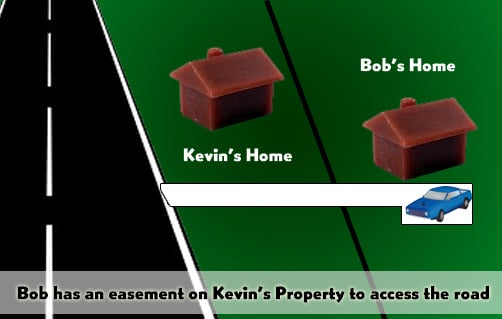
Easement 2An easement for ingress and egress across property was granted in 1942. More than 60 years later, plaintiff began improvements to the easement to gain easier access to plaintiff’s property, and defendant complained about the work being done on his property. A stop-work order was issued and plaintiff’s permit was revoked. Defendant refused to sign an agreement to permit plaintiff to continue construction; plaintiff’s houses were in the framing stage, with exposed wood and no roof and so they posed a fire hazard. Plaintiff filed an action seeking damages for interference with her easement and for injunctive relief. At trial, plaintiff adduced evidence that defendants committed the following four specific acts that she believed constituted interference with her use and enjoyment of the easement: [Defendant’s] (1) refusal to sign the covenant for community driveway; (2) refusal to sign a retaining wall permit which was a prerequisite to plaintiff’s occupancy certificate; (3) demands for money in exchange for granting plaintiff’s rights she already possessed in the easement; and (4) statements that plaintiff lost her easement by creating the grading cut and burdening the easement. The jury found that defendants substantially and unreasonably interfered with plaintiff’s use and enjoyment of her easement by acting or failing to act, and next that defendants breached the implied covenant of good faith and fair dealing contained in the easement’s running covenant. The trial court entered judgment for plaintiff in the amount of $713,927.96, but ordered her to remove a portion of a retaining wall, and permanently enjoined defendant from interfering with plaintiff’s use of the easement. On appeal, the appellate court affirmed the judgment, stating the “conduct can constitute actionable interference with the use and enjoyment of an easement even when the conduct does not physically obstruct the servitude.” (Dolnikov v. Ekizian  (Cal. App. Second Dist., Div. 3; December 19, 2013) 222 Cal.App.4th 419, [165 Cal.Rptr.3d 658].)

Filed Under: Appellate Law News, Easement and Property Rights Law News, Legal News, Real Estate Law News

Leave a Reply Cancel reply

You must be logged in to post a comment.

Call Us: 951-222-2100

Consultations available in-office or over
the phone. Speak to one of our leading attorneys in California today.

Recent News

What Is a Deed of Trust in California Real Estate?

September 21, 2026 By Mark Mellor

Quick answer: A deed of trust is a legal document used in California to secure a monetary loan with real property itself. It involves three parties: the borrower (trustor), the lender (beneficiary), and a neutral third party (trustee) who holds legal title until the loan is fully … Read More...

How to Dissolve an LLC in California

September 14, 2026 By Mark Mellor

Quick Answer: To dissolve an LLC in California, review your operating agreement, hold a member vote, wind up business affairs, and distribute remaining assets. Then file a Certificate of Dissolution and Certificate of Cancellation with the Secretary of State, submit your final … Read More...

What Happens If You Hire an Unlicensed Contractor in California?

September 11, 2026 By Mark Mellor

Quick answer: Hiring an unlicensed contractor in California can leave you without legal protections, financially exposed, and personally liable for injuries on your property. California law gives homeowners significant leverage against unlicensed contractors, including the right … Read More...

Follow Mellor Law Firm

    • Facebook
    • LinkedIn
    • RSS
    • Twitter
    • YouTube

Our Areas of Practice

  • Comprehensive Real Estate Legal Services
  • Construction Law Attorney
  • Mechanic’s Lien – Stop Notice
  • Experienced Foreclosure Attorney Serving Riverside Homeowners
  • Business Law
  • Contract Disputes
  • Chapter 7 Bankruptcy
  • Chapter 13 Bankruptcy
  • Insurance
  • Lien Stripping Bankruptcy
  • Loan Modifications
  • Personal Injury & Wrongful Death
  • Property Ownership

Navigate

  • Home
  • Our Firm
  • Mark Mellor
  • Practice Areas
  • Case Handling
  • Clients
  • Resources
  • Contact
  • Blog
  • Privacy Policy

Practice Areas

  • Comprehensive Real Estate Legal Services
  • Construction Law Attorney
  • Mechanic’s Lien – Stop Notice
  • Experienced Foreclosure Attorney Serving Riverside Homeowners
  • Business Law
  • Contract Disputes
  • Chapter 7 Bankruptcy
  • Chapter 13 Bankruptcy
  • Insurance
  • Lien Stripping Bankruptcy
  • Loan Modifications
  • Personal Injury & Wrongful Death
  • Property Ownership

Recent Posts

  • What Is a Deed of Trust in California Real Estate?
  • How to Dissolve an LLC in California
  • What Happens If You Hire an Unlicensed Contractor in California?
  • How to Find Hidden Liens in a California Preliminary Title Report

Follow Us

    • Facebook
    • LinkedIn
    • RSS
    • Twitter
    • YouTube

Contact our offices

The Mellor Law Firm, APLC
6800 Indiana Avenue, Suite 220
Riverside, CA 92506
Phone: (951) 221-4744
Fax: (951) 222-2122
10.0Mark Albert Mellor

The Mellor Law Firm, APLC © 2026. All Rights Reserved.